WOOF Beef?Freeze Dried Raw Dog Food is made using only the highest quality ingredients aimed at nourishing your pet’s health.
WOOF ingredients have been chosen for their reputed healing and beneficial effect on the body and skin, providing all the nutritional goodness your pet needs at every life stage. Our food is natural, containing no fillers (such as corn, feather meal or soy protein), harmful chemicals, gum, artificial colours, antibiotics, sugar, vaccines or growth hormones.
We combine the nutrition and taste of fresh, raw food and put it through a gentle freeze drying process which protects all the natural enzymes and nutrients, so none of the wholesome goodness is cooked out. Simply add water and watch as the food rehydrates back to real, raw food that your pet will love!
Raw, Natural, and Delicious!
Made In New Zealand
KEY BENEFITS:
Organic Virgin Olive Oil: Has antibacterial, antiviral, and antifungal properties. Supports healthy digestion, skin and coat.
New Zealand Manuka Honey: Rich in vitamins, minerals, natural enzymes, and nutrients. Contains health enhancing antioxidants.
Chia Seeds: Rich in Omega fatty acids which are essential for immunity and healthy skin and coat.
Kelp: Rich source of Iron and Vitamin D. Supports healthy metabolism and glandular function.
New Zealand Green Lipped Mussels: Natural superfood which is rich in nutrients and vitamins that support healthy skin and joints.
Hoki Liver Oil: High levels of Omega-3 fatty acids, which support healthy brain and eye development.
Made in New Zealand, the people at Woof?have sourced only the highest quality ingredients aimed at nourishing your pet’s health.
WOOF?is made using only the highest quality ingredients aimed at nourishing your pet’s health.?We combine the nutrition and taste of fresh, raw food and put it through a gentle freeze drying process which protects all the natural enzymes and nutrients,?so none of the wholesome goodness is cooked out.
Woof food is natural, containing no?fillers or by products (such as corn, feather meal?or soy protein), harmful chemicals, gum, artificial colours, antibiotics, sugar, vaccines or growth hormones.
Raw, Natural and Delicious!
Available in resealable bags:?50g|1.76oz – Perfect for travel or as a treat!
INGREDIENTS:
Lamb, Lamb Green Tripe,?Lamb Breast,?Lamb Liver, Lamb Heart, Broccoli, Carrot, Apple, Kale, New Zealand Green Lipped Mussels, Organic Virgin Coconut Oil, New Zealand Manuka Honey, Chia Seeds, Vitamins & Organic Chelated Minerals, Kelp, New Zealand Hoki Liver Oil, Rosemary
Formulated to meet the nutritional levels established by the AAFCO Dog Food Nutrient Profiles for All Life Stages.
NATURAL PET FOOD, GLUTEN & GRAIN FREE, DAIRY FREE, ALL AGES
Made in New Zealand, the people at Woof?have sourced only the highest quality ingredients aimed at nourishing your pet’s health.
WOOF?is made using only the highest quality ingredients aimed at nourishing your pet’s health.?We combine the nutrition and taste of fresh, raw food and put it through a gentle freeze drying process which protects all the natural enzymes and nutrients,?so none of the wholesome goodness is cooked out.
Woof food is natural, containing no?fillers or by products (such as corn, feather meal?or soy protein), harmful chemicals, gum, artificial colours, antibiotics, sugar, vaccines or growth hormones.
Raw, Natural and Delicious!
Available in resealable bags:?50g|1.76oz – Perfect for travel or as a treat!
INGREDIENTS:
Duck (bone-in), Chicken (bone-in), Lamb Green Tripe, Duck Liver, Bok Choy, Carrot, Cranberries, Blueberries, New Zealand Green Lipped Mussels, Organic Virgin Coconut Oil, New Zealand Manuka Honey, Chia Seeds, Vitamins & Organic Chelated Minerals, Kelp, New Zealand Hoki Liver Oil, Rosemary
Made in New Zealand, the people at Woof?have sourced only the highest quality ingredients aimed at nourishing your pet’s health.
WOOF?is made using only the highest quality ingredients aimed at nourishing your pet’s health.?We combine the nutrition and taste of fresh, raw food and put it through a gentle freeze drying process which protects all the natural enzymes and nutrients,?so none of the wholesome goodness is cooked out.
Woof food is natural, containing no?fillers or by products (such as corn, feather meal?or soy protein), harmful chemicals, gum, artificial colours, antibiotics, sugar, vaccines or growth hormones.
Raw, Natural and Delicious!
Available in resealable bags:?50g|1.76oz – Perfect for travel or as a treat!
INGREDIENTS:
Chicken (bone-in) Lamb Green Tripe, Lamb Liver, Lamb Heart, Broccoli, Carrot, Apple, Kale | New Zealand Green Lipped Mussels, Organic Virgin Coconut Oil, New Zealand Manuka Honey, Chia Seeds, Vitamins & Organic Chelated Minerals, Kelp, New Zealand Hoki Liver Oil, Rosemary.
Made in New Zealand, the people at Woof?have sourced only the highest quality ingredients aimed at nourishing your pet’s health.
WOOF?is made using only the highest quality ingredients aimed at nourishing your pet’s health.?We combine the nutrition and taste of fresh, raw food and put it through a gentle freeze drying process which protects all the natural enzymes and nutrients,?so none of the wholesome goodness is cooked out.
Woof food is natural, containing no?fillers or by products (such as corn, feather meal?or soy protein), harmful chemicals, gum, artificial colours, antibiotics, sugar, vaccines or growth hormones.
Raw, Natural and Delicious!
Available in resealable bags:?50g|1.76oz – Perfect for travel or as a treat!
INGREDIENTS:
Wild Brushtail (bone-in), Lamb Green Tripe,?Lamb Liver, Lamb Heart, Bok Choy, Carrot, Cranberries, Blueberries, New Zealand Green Lipped Mussels, Organic Virgin Coconut Oil, New Zealand Manuka Honey, Chia Seeds, Vitamins & Organic Chelated Minerals, Kelp,?New Zealand Hoki Liver Oil,?Rosemary
Formulated to meet the nutritional levels established by the AAFCO Dog Food Nutrient Profiles for All Life Stages.
Ethically Sourced Ingredients: 100% New Zealand Green Lipped Mussels
Made in New Zealand, the people at Woof?have sourced only the highest quality ingredients aimed at nourishing your pet’s health.
WOOF?is made using only the highest quality ingredients aimed at nourishing your pet’s health.?We combine the nutrition and taste of fresh, raw food and put it through a gentle freeze drying process which protects all the natural enzymes and nutrients,?so none of the wholesome goodness is cooked out.
Woof food is natural, containing no?fillers or by products (such as corn, feather meal?or soy protein), harmful chemicals, gum, artificial colours, antibiotics, sugar, vaccines or growth hormones.
Raw, Natural and Delicious!
Available in resealable bags:?50g|1.76oz – Perfect for travel or as a treat!
WOOF Beef?Freeze Dried Raw Dog Food is made using only the highest quality ingredients aimed at nourishing your pet’s health.
WOOF ingredients have been chosen for their reputed healing and beneficial effect on the body and skin, providing all the nutritional goodness your pet needs at every life stage. Our food is natural, containing no fillers (such as corn, feather meal or soy protein), harmful chemicals, gum, artificial colours, antibiotics, sugar, vaccines or growth hormones.
We combine the nutrition and taste of fresh, raw food and put it through a gentle freeze drying process which protects all the natural enzymes and nutrients, so none of the wholesome goodness is cooked out. Simply add water and watch as the food rehydrates back to real, raw food that your pet will love!
Raw, Natural, and Delicious!
Made In New Zealand
KEY BENEFITS:
Organic Virgin Olive Oil: Has antibacterial, antiviral, and antifungal properties. Supports healthy digestion, skin and coat.
New Zealand Manuka Honey: Rich in vitamins, minerals, natural enzymes, and nutrients. Contains health enhancing antioxidants.
Chia Seeds: Rich in Omega fatty acids which are essential for immunity and healthy skin and coat.
Kelp: Rich source of Iron and Vitamin D. Supports healthy metabolism and glandular function.
New Zealand Green Lipped Mussels: Natural superfood which is rich in nutrients and vitamins that support healthy skin and joints.
Hoki Liver Oil: High levels of Omega-3 fatty acids, which support healthy brain and eye development.
Nutritional Info
INGREDIENTS:
Wild Brushtail (bone-in), Lamb Green Tripe, Lamb Liver, Lamb Heart, Bok Choy, Carrot, Cranberries, Blueberries, New Zealand Green Lipped Mussels, Organic Virgin Coconut Oil, New Zealand Manuka Honey, Chia Seeds, Vitamins & Organic Chelated Minerals, Kelp, New Zealand Hoki Liver Oil, Rosemary.
Formulated to meet the nutritional levels established by the AAFCO Dog Food Nutrient Profiles for All Life Stages.
WOOF Beef?Freeze Dried Raw Dog Food is made using only the highest quality ingredients aimed at nourishing your pet’s health.
WOOF ingredients have been chosen for their reputed healing and beneficial effect on the body and skin, providing all the nutritional goodness your pet needs at every life stage. Our food is natural, containing no fillers (such as corn, feather meal or soy protein), harmful chemicals, gum, artificial colours, antibiotics, sugar, vaccines or growth hormones.
We combine the nutrition and taste of fresh, raw food and put it through a gentle freeze drying process which protects all the natural enzymes and nutrients, so none of the wholesome goodness is cooked out. Simply add water and watch as the food rehydrates back to real, raw food that your pet will love!
Raw, Natural, and Delicious!
Made In New Zealand
KEY BENEFITS:
Organic Virgin Olive Oil: Has antibacterial, antiviral, and antifungal properties. Supports healthy digestion, skin and coat.
New Zealand Manuka Honey: Rich in vitamins, minerals, natural enzymes, and nutrients. Contains health enhancing antioxidants.
Chia Seeds: Rich in Omega fatty acids which are essential for immunity and healthy skin and coat.
Kelp: Rich source of Iron and Vitamin D. Supports healthy metabolism and glandular function.
New Zealand Green Lipped Mussels: Natural superfood which is rich in nutrients and vitamins that support healthy skin and joints.
Hoki Liver Oil: High levels of Omega-3 fatty acids, which support healthy brain and eye development.
Nutritional Info
INGREDIENTS:
Duck (bone-in), Chicken (bone-in), Lamb Green Tripe, Duck Liver, Bok Choy, Carrot, Cranberries, Blueberries, New Zealand Green Lipped Mussels, Organic Virgin Coconut Oil, New Zealand Manuka Honey, Chia Seeds, Vitamins & Organic Chelated Minerals, Kelp, New Zealand Hoki Liver Oil, Rosemary
Formulated to meet the nutritional levels established by the AAFCO Dog Food Nutrient Profiles for All Life Stages.
WOOF Beef?Freeze Dried Raw Dog Food is made using only the highest quality ingredients aimed at nourishing your pet’s health.
WOOF ingredients have been chosen for their reputed healing and beneficial effect on the body and skin, providing all the nutritional goodness your pet needs at every life stage. Our food is natural, containing no fillers (such as corn, feather meal or soy protein), harmful chemicals, gum, artificial colours, antibiotics, sugar, vaccines or growth hormones.
We combine the nutrition and taste of fresh, raw food and put it through a gentle freeze drying process which protects all the natural enzymes and nutrients, so none of the wholesome goodness is cooked out. Simply add water and watch as the food rehydrates back to real, raw food that your pet will love!
Raw, Natural, and Delicious!
Made In New Zealand
KEY BENEFITS:
Organic Virgin Olive Oil: Has antibacterial, antiviral, and antifungal properties. Supports healthy digestion, skin and coat.
New Zealand Manuka Honey: Rich in vitamins, minerals, natural enzymes, and nutrients. Contains health enhancing antioxidants.
Chia Seeds: Rich in Omega fatty acids which are essential for immunity and healthy skin and coat.
Kelp: Rich source of Iron and Vitamin D. Supports healthy metabolism and glandular function.
New Zealand Green Lipped Mussels: Natural superfood which is rich in nutrients and vitamins that support healthy skin and joints.
Hoki Liver Oil: High levels of Omega-3 fatty acids, which support healthy brain and eye development.
Nutritional Info
INGREDIENTS:
Chicken (bone-in) Lamb Green Tripe, Lamb Liver, Lamb Heart, Broccoli, Carrot, Apple, Kale | New Zealand Green Lipped Mussels, Organic Virgin Coconut Oil, New Zealand Manuka Honey, Chia Seeds, Vitamins & Organic Chelated Minerals, Kelp, New Zealand Hoki Liver Oil, Rosemary.
Formulated to meet the nutritional levels established by the AAFCO Dog Food Nutrient Profiles for All Life Stages.
WOOF Beef?Freeze Dried Raw Dog Food is made using only the highest quality ingredients aimed at nourishing your pet’s health.
WOOF ingredients have been chosen for their reputed healing and beneficial effect on the body and skin, providing all the nutritional goodness your pet needs at every life stage. Our food is natural, containing no fillers (such as corn, feather meal or soy protein), harmful chemicals, gum, artificial colours, antibiotics, sugar, vaccines or growth hormones.
We combine the nutrition and taste of fresh, raw food and put it through a gentle freeze drying process which protects all the natural enzymes and nutrients, so none of the wholesome goodness is cooked out. Simply add water and watch as the food rehydrates back to real, raw food that your pet will love!
Raw, Natural, and Delicious!
Made In New Zealand
KEY BENEFITS:
Organic Virgin Olive Oil: Has antibacterial, antiviral, and antifungal properties. Supports healthy digestion, skin and coat.
New Zealand Manuka Honey: Rich in vitamins, minerals, natural enzymes, and nutrients. Contains health enhancing antioxidants.
Chia Seeds: Rich in Omega fatty acids which are essential for immunity and healthy skin and coat.
Kelp: Rich source of Iron and Vitamin D. Supports healthy metabolism and glandular function.
New Zealand Green Lipped Mussels: Natural superfood which is rich in nutrients and vitamins that support healthy skin and joints.
Hoki Liver Oil: High levels of Omega-3 fatty acids, which support healthy brain and eye development.
Nutritional Info
INGREDIENTS:
Lamb, Lamb Green Tripe, Lamb Breast, Lamb Liver, Lamb Heart, Broccoli, Carrot, Apple, Kale, New Zealand Green Lipped Mussels, Organic Virgin Coconut Oil, New Zealand Manuka Honey, Chia Seeds, Vitamins & Organic Chelated Minerals, Kelp, New Zealand Hoki Liver Oil, Rosemary.
Formulated to meet the nutritional levels established by the AAFCO Dog Food Nutrient Profiles for All Life Stages.
WOOF Beef?Freeze Dried Raw Dog Food is made using only the highest quality ingredients aimed at nourishing your pet’s health.
WOOF ingredients have been chosen for their reputed healing and beneficial effect on the body and skin, providing all the nutritional goodness your pet needs at every life stage. Our food is natural, containing no fillers (such as corn, feather meal or soy protein), harmful chemicals, gum, artificial colours, antibiotics, sugar, vaccines or growth hormones.
We combine the nutrition and taste of fresh, raw food and put it through a gentle freeze drying process which protects all the natural enzymes and nutrients, so none of the wholesome goodness is cooked out. Simply add water and watch as the food rehydrates back to real, raw food that your pet will love!
Raw, Natural, and Delicious!
Made In New Zealand
KEY BENEFITS:
Organic Virgin Olive Oil: Has antibacterial, antiviral, and antifungal properties. Supports healthy digestion, skin and coat.
New Zealand Manuka Honey: Rich in vitamins, minerals, natural enzymes, and nutrients. Contains health enhancing antioxidants.
Chia Seeds: Rich in Omega fatty acids which are essential for immunity and healthy skin and coat.
Kelp: Rich source of Iron and Vitamin D. Supports healthy metabolism and glandular function.
New Zealand Green Lipped Mussels: Natural superfood which is rich in nutrients and vitamins that support healthy skin and joints.
Hoki Liver Oil: High levels of Omega-3 fatty acids, which support healthy brain and eye development.
Sphynx cats, renowned for their hairless appearance and affectionate personalities, require specific care to keep them comfortable and thriving. These unique felines, beloved for their warm, velvety skin, are particularly popular among pet owners in Singapore who seek furless pets. Here are the top 5 essential tips for Sphynx cat care to ensure your cat’s health and happiness.
1. Prioritize Skin Health
Sphynx cats lack fur, making their skin more exposed to environmental elements and prone to issues like oil buildup. Regular baths are essential to keep their skin clean and healthy.
Bathing Routine: Bathe your Sphynx once every 1-2 weeks using a gentle, cat-safe shampoo. Avoid human shampoos, which can irritate their sensitive skin.
Moisturizing: Use vet-approved moisturizers if your Sphynx’s skin becomes dry, especially in air-conditioned homes common in Singapore.
Sun Protection: Always keep your Sphynx indoors or shielded from direct sunlight to prevent sunburn, as they lack the natural fur protection other cats have.
Tip: Use warm, not hot, water during baths, and always dry your cat thoroughly to avoid chills.
Good nutrition is fundamental for Sphynx cats, whose high metabolic rates demand nutrient-dense diets.
High-Quality Diet: Opt for high-protein, grain-free cat food tailored to their unique dietary needs. Look for brands like Stella & Chewy’s or Nutripe, which offer biologically appropriate recipes for cats.
Portion Control: Monitor portion sizes to avoid overfeeding, as obesity can lead to skin folds that trap moisture and bacteria.
Hydration: Ensure fresh water is always available. Wet food can also help keep them hydrated in Singapore’s warm climate.
Though hairless, Sphynx cats still require grooming to stay clean and comfortable.
Ears: Check and clean their ears weekly using a vet-recommended ear-cleaning solution. Sphynx cats produce more earwax than other breeds, making regular cleaning essential.
Nails: Trim their nails every 2-3 weeks to prevent scratches and dirt buildup around their claws.
Eyes: Gently wipe their eyes with a damp cloth as they may accumulate more discharge due to their lack of eyelashes.
Tip: Use grooming sessions to bond with your cat and inspect their skin for any abnormalities.
4. Provide Warmth and Comfort
Sphynx cats are more sensitive to temperature changes due to their lack of fur.
Warm Spaces: Provide cozy blankets or heating pads, especially in air-conditioned homes or during cooler months.
Clothing: Consider dressing them in soft, cat-specific clothing to keep them warm, but ensure the materials are breathable and non-irritating.
Monitor Temperature: Maintain a consistent indoor temperature to keep your Sphynx comfortable.
Tip: Watch for signs of discomfort, such as shivering, which indicates they are too cold.
Regular veterinary care is crucial to prevent and address health issues common in Sphynx cats.
Skin Inspections: Vets can identify skin problems like acne, fungal infections, or allergies early.
Heart Health: Sphynx cats are prone to hypertrophic cardiomyopathy (HCM), so routine heart screenings are essential.
Vaccinations and Parasite Control: Keep up-to-date with vaccinations and parasite prevention, as their skin makes them more vulnerable to flea infestations.
Tip: Choose a vet experienced with Sphynx cats for tailored advice.
Conclusion
Caring for a Sphynx cat requires attention to their unique needs, from regular bathing and a high-quality diet to providing warmth and routine vet visits. By following these top 5 essential tips for Sphynx cat care, you can ensure your cat remains healthy and happy.
Whether you’re a first-time Sphynx owner or a seasoned cat lover in Singapore, embracing these practices will help you provide the best care for your feline companion.
Cats are enigmatic creatures with unique habits that often leave their human companions puzzled. One behavior that stands out is their tendency to sniff each other’s butts. While it may seem odd or even amusing to us, this greeting plays a significant role in feline communication. In this article, we’ll explore why cats sniff butts, uncovering the science behind this seemingly strange behavior and its importance in the feline world.
The Science of Cat Scent Communication
Cats and Their Highly Sensitive Noses
Cats have an extraordinary sense of smell. While humans possess about 5 million olfactory receptors, cats boast an impressive 200 million. This acute sense allows them to detect intricate scent details that are imperceptible to us.
Sniffing another cat’s rear end is a way for them to tap into this heightened ability. The anal glands located near the base of the tail secrete pheromones that carry a wealth of information, such as:
When cats sniff each other’s butts, they’re essentially engaging in a form of scent-based communication. This behavior is rooted in their instincts and is part of their natural social interactions.
Information Gathering: Cats use scent to learn about the other cat. A quick sniff can reveal whether the other feline is a friend, foe, or potential mate.
Establishing Dominance: Sniffing can help determine the social hierarchy. Cats that willingly allow their rear to be sniffed may display submissiveness, while those who initiate the sniffing might assert dominance.
Cats aren’t the only animals that rely on scent-based greetings. Dogs, for instance, also sniff each other’s behinds. However, there are some distinct differences:
Cats typically approach these interactions more cautiously and are less likely to linger.
The primary focus for cats is gathering social and health-related information, whereas dogs may also emphasize territory and pack dynamics.
The Role of the Jacobson’s Organ
One of the key anatomical features that enables cats to decode scents so effectively is the Jacobson’s organ (also known as the vomeronasal organ). Located on the roof of a cat’s mouth, this organ processes pheromones and other chemical signals.
When a cat engages in butt-sniffing, they may open their mouth slightly, a behavior known as the Flehman response, to allow the Jacobson’s organ to analyze the scent more thoroughly. This response provides deeper insight into the information carried by the other cat’s pheromones.
While butt-sniffing is a common feline greeting, it isn’t always welcomed. Cats are individuals with unique personalities, and their reactions to this behavior can vary:
Friendly Interactions: In well-socialized cats, this greeting is usually mutual and non-threatening.
Conflict or Aggression: If one cat feels threatened, the interaction might escalate into hissing or swatting.
Avoidance: Some cats may simply walk away, signaling disinterest or discomfort.
In multi-cat households, butt-sniffing is a natural part of the social dynamic. However, it’s essential for cat owners to recognize when this behavior might signal a problem:
Repeated Hostility: If sniffing consistently leads to aggression, it might be a sign of underlying tension.
Health Concerns: Cats with anal gland issues may become more sensitive to being sniffed, leading to discomfort or avoidance.
Encouraging Healthy Socialization
To promote positive interactions:
Introduce Cats Gradually: Use scent-swapping techniques, such as sharing bedding, to familiarize cats with each other before direct meetings.
Provide Space: Ensure each cat has its own territory, including separate litter boxes and feeding areas.
Occasionally, cats may display similar sniffing behavior towards humans. While this might be amusing (or awkward), the underlying reason is the same: curiosity and scent-gathering. Cats rely on their noses to learn about their environment, and this includes their human companions.
Conclusion
Although butt-sniffing may seem odd to us, it’s a natural and essential part of feline communication. By sniffing each other’s butts, cats gather crucial information about one another, establish social bonds, and maintain harmony within their group. Understanding why cats sniff butts not only demystifies this quirky behavior but also fosters a greater appreciation for the complexity of our feline friends.
Welcoming a new kitten into your home is an exciting experience. However, understanding the essentials of pet care for kittens is crucial to ensure their well-being. From nutrition to socialization and regular vet check-ups, your kitten’s early months are vital for their growth and development. This guide covers everything you need to know about caring for kittens, providing practical tips to help you give your kitten the healthiest start in life.
Nutrition While Caring for Kittens
Proper nutrition is the foundation of good health, especially in kittens who are growing rapidly. Feeding your kitten the right foods in the right quantities will set the stage for a healthy adult life.
1. High-Quality Kitten Food
Kittens require a diet specifically formulated for their growth needs. Look for kitten-specific foods rich in protein, fats, and essential vitamins. High-quality kitten food typically includes animal-based proteins and nutrients like DHA, which supports brain development. Ensure that you feed your kitten in small, frequent meals throughout the day, as their tiny stomachs can only handle a limited amount of food at once.
2. Importance of Hydration
Kittens often prefer water bowls over water fountains, as they are still developing a sense of curiosity and might be wary of unfamiliar objects. Keep fresh water available at all times to encourage hydration. Additionally, many veterinarians recommend a mix of wet and dry food to maintain a balanced moisture level in their diet.
3. Avoiding Harmful Foods
Certain foods that are safe for humans, such as chocolate, onions, and garlic, are toxic to kittens. Be cautious about what your kitten has access to, especially if they tend to nibble on things around the house. Stick to veterinarian-recommended treats and foods designed specifically for feline health.
Socialization and Behavior Training for Kittens
Socialization during the early weeks of a kitten’s life has a significant impact on their behavior as adults. Positive experiences with people, sounds, and other animals will help build your kitten’s confidence and reduce fear-based behaviors.
1. Introducing Your Kitten to New Experiences
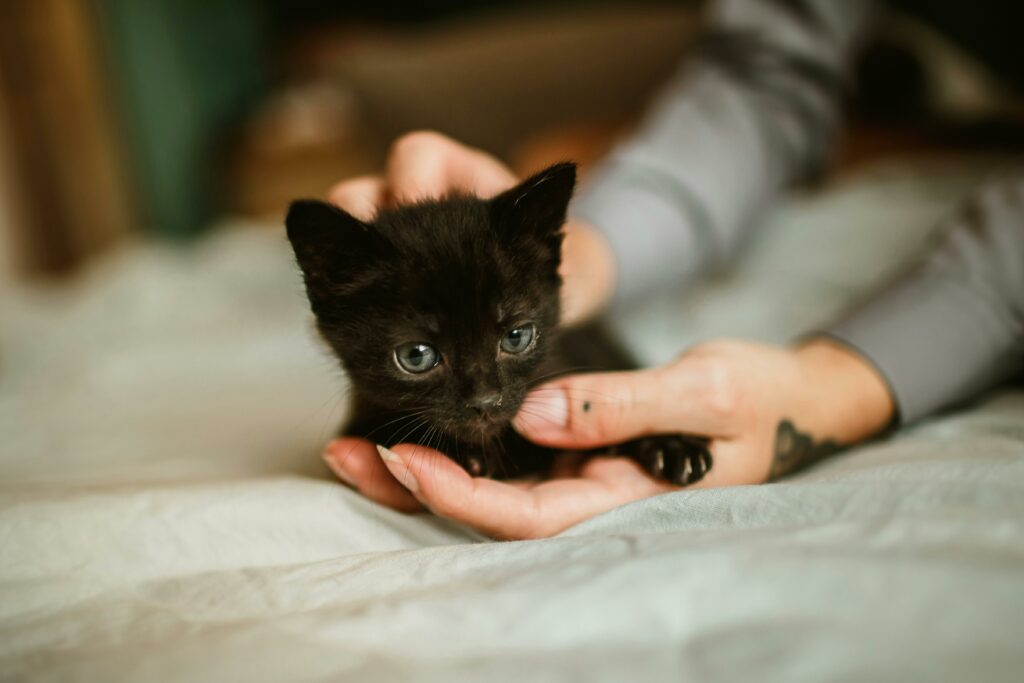
Expose your kitten to various sights, sounds, and gentle handling to help them adjust to their environment. Handling your kitten frequently, with gentle petting and play, helps them grow accustomed to human touch. Encourage visitors to interact calmly with your kitten to foster friendliness with different people.
2. Basic Litter Training
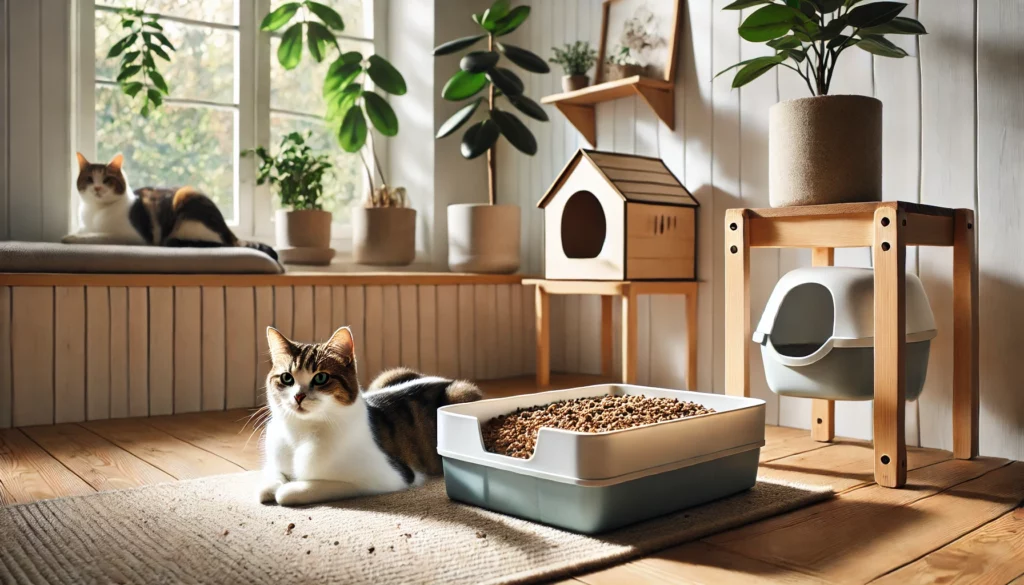
One of the first training steps is teaching your kitten to use a litter box. Most kittens pick up on litter box usage naturally, but it’s essential to provide an easily accessible, clean litter box in a quiet area. Avoid placing it near their food or water dishes, as cats prefer to keep their eating area separate from their litter space.
3. Discouraging Negative Behaviors
Kittens are naturally playful, which can sometimes lead to mischievous behaviors like scratching furniture or biting hands. Provide scratching posts and interactive toys to redirect these instincts positively. If your kitten tends to bite or scratch, gently discourage this behavior with a firm “no” and redirect their attention to a toy.
Health and Preventive Care for Kittens
Your kitten’s first year is crucial for establishing a foundation of preventive care, which includes vaccinations, check-ups, and dental hygiene.
1. Scheduling Initial Vet Visits
Take your kitten for a first vet check-up within a few weeks of adoption to assess their health and begin vaccinations. Common vaccines for kittens include FVRCP (which protects against feline viral rhinotracheitis, calicivirus, and panleukopenia) and rabies. Regular vaccinations are essential to protect against contagious diseases that kittens are particularly vulnerable to.
Kittens are prone to parasites such as fleas, ticks, and intestinal worms. Speak to your veterinarian about safe parasite prevention options. Many products are kitten-friendly and help protect them from parasites without the risks associated with adult treatments. Routine deworming may also be advised in the early months.
Establishing good dental hygiene from an early age can prevent issues down the line. You can introduce a kitten-safe toothbrush to get them accustomed to regular teeth cleaning. Some pet stores offer dental treats specifically designed for young cats, which can also promote oral health.
Enrichment and Playtime While Caring for Kittens
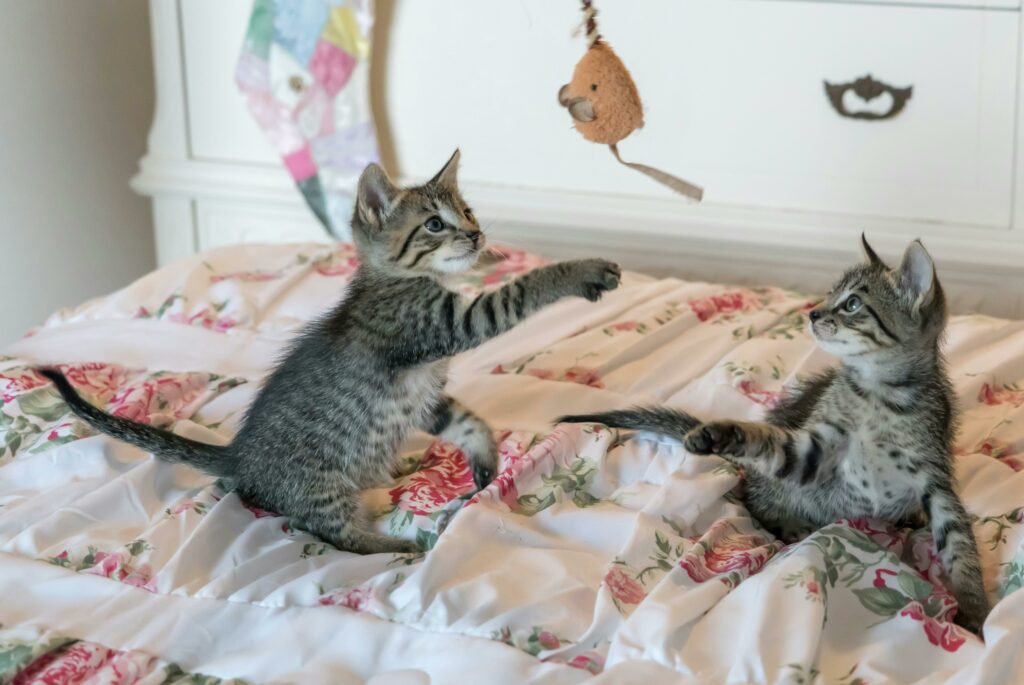
Play is an important part of pet care for kittens, as it helps with motor skills, mental stimulation, and overall happiness. Kittens are naturally energetic, and channeling this energy positively can improve their health and your bond with them.
1. Providing Toys and Stimulation
Kittens benefit from variety in toys, including balls, feathers, and small interactive puzzles. Toys that mimic prey-like movements encourage their hunting instincts, keeping them mentally engaged. Rotate toys periodically to keep them interesting and prevent boredom.
2. Designating Safe Climbing Spaces
Cats love to climb, and providing a safe, designated climbing area like a cat tree can prevent them from scaling less suitable surfaces. This will also help them expend energy in a positive way while strengthening their coordination skills. Having climbing spaces also allows kittens to explore and feel more secure, as elevated spaces are a natural comfort to cats.
3. Creating Routine Play Sessions
Routine play sessions help you bond with your kitten and give them structured activity time. Laser pointers, feather wands, and treat puzzles are excellent choices for interactive play, encouraging your kitten to engage actively and helping to burn off energy. Playtime can also alleviate stress and reduce the chances of behavioral problems as your kitten matures.
Grooming and Comfort for Kittens
Introducing grooming practices early is essential to ensuring your kitten becomes accustomed to these routines. Grooming contributes to your kitten’s comfort and hygiene, making it an integral part of pet care for kittens.
Most kittens learn self-grooming behaviors quickly, but regular brushing is still important, especially if they have long fur. Brushing helps reduce hairballs and keeps their coat in top condition. Brushing sessions also serve as bonding time and reduce the amount of loose fur around your home.
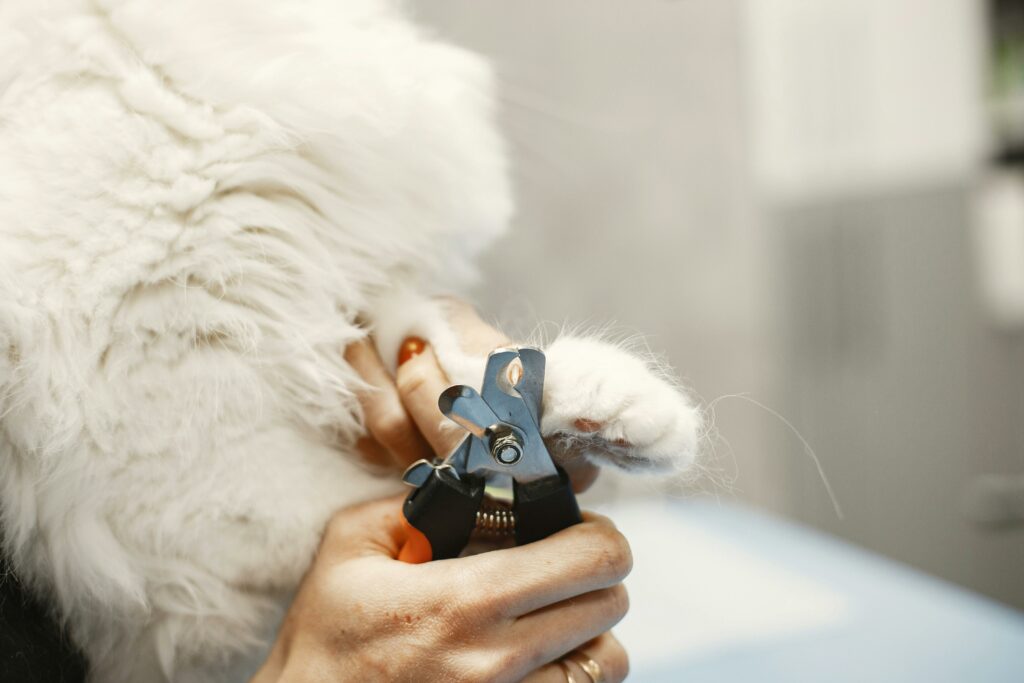
Kittens’ nails grow rapidly, and sharp claws can lead to unintended scratches. Introduce nail trimming slowly to help your kitten get used to it. Start by gently handling their paws without trimming, then move on to trimming just the tips of the nails every couple of weeks.
Kittens spend much of their day sleeping to support their rapid growth. Providing a soft, comfortable bed in a quiet area allows them to rest peacefully. Many cats prefer sleeping in warm, enclosed spaces, so a cozy nook or pet bed with high sides may be ideal.
Conclusion
Raising a kitten requires dedication and a structured approach to nutrition, socialization, preventive care, and enrichment. By addressing these areas, you’ll ensure your kitten grows up healthy, well-adjusted, and happy. Pet care for kittens is an investment in your future with a loving, loyal pet who will bring joy to your life for years to come. With patience, consistency, and the right approach, you can give your kitten the foundation they need to thrive.
As we continue to pursue sustainable living, many cat owners are exploring eco-friendly cat litter to lessen their environmental footprint. Traditional clay-based litter, while a popular choice, presents notable challenges concerning environmental sustainability—both in its production and disposal. In contrast, eco-friendly cat litter offers alternatives that are not only better for your feline friend but also beneficial for our planet.
In this blog, we’ll delve into the benefits of eco-friendly cat litter, examine various sustainable options, and provide recommendations for top choices.
Traditional clay-based cat litters, which are commonly made from sodium bentonite or calcium bentonite, are often extracted through strip mining. This method can disrupt local ecosystems and contributes to environmental degradation. The impacts of conventional litter can be significant:
Land Degradation: Mining activities can affect soil quality and disrupt habitats. Millions of pounds of clay-based litter are disposed of in landfills annually, contributing to growing waste management issues.
Non-Biodegradability: Traditional clay litter is non-biodegradable, which means it persists in landfills for many years. Concerns remain about the long-term effects of this waste.
In contrast, eco-friendly cat litter provides a sustainable alternative. These products are typically made from renewable resources, biodegradable materials, and are often free from harmful chemicals. The key advantages of eco-friendly litters include:
Biodegradability
Many eco-friendly options break down naturally, contributing less to landfill waste.
Sustainability
Numerous eco-friendly litters utilize byproducts or recycled materials, such as paper or wood.
Healthier for Cats
Unlike clay litters, which can produce dust that is harmful to both humans and pets, eco-friendly alternatives tend to be low-dust and safer for cats with respiratory sensitivities.
Types of Eco-Friendly Cat Litter
Eco-friendly cat litter comes in various forms, each with unique benefits. Below, we outline some of the most popular options available:
1. Recycled Paper Litter
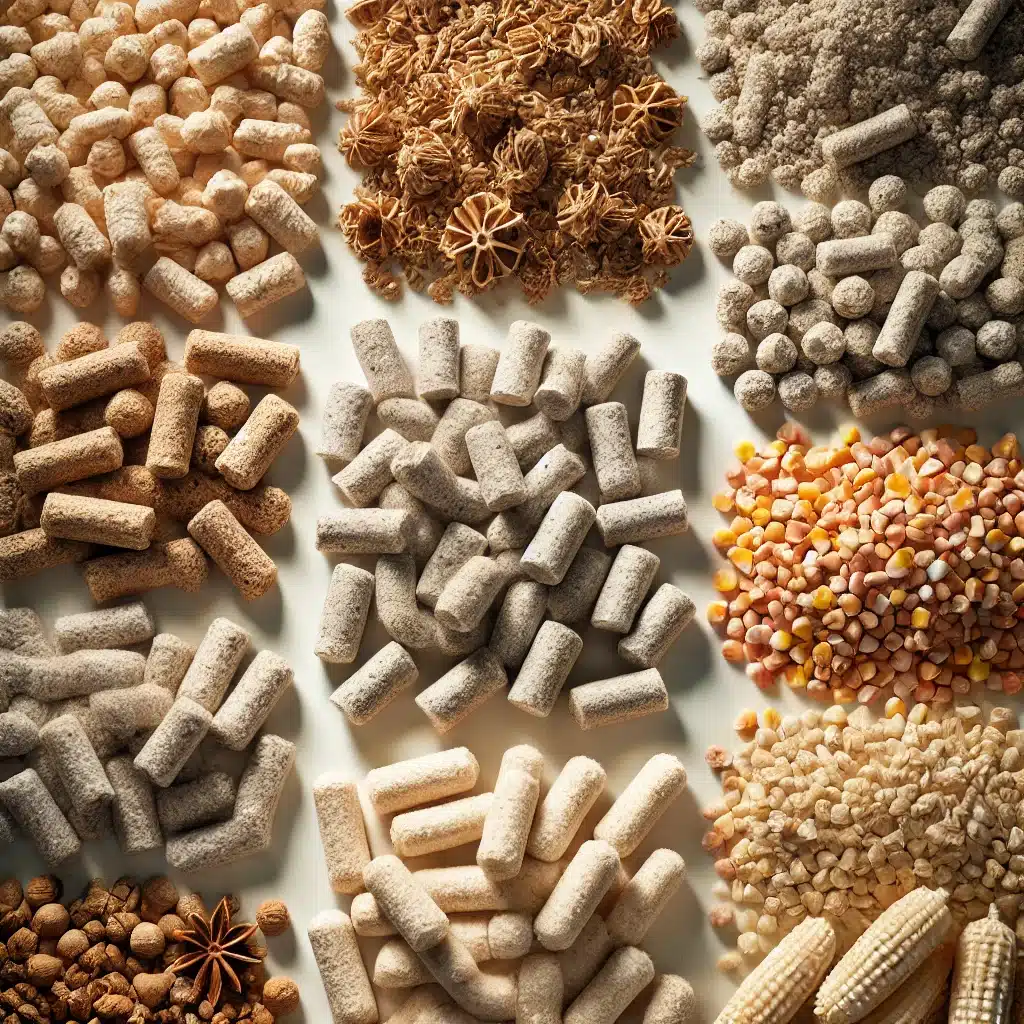
Recycled paper litter is created from recycled newspapers and paper products. It is generally available in pellet or granular form. This type of litter is highly absorbent and breaks down easily, either in landfills or compost.
Pros:
High absorbency.
Low dust content, ideal for cats with respiratory issues.
Lightweight and easy to manage.
Cons:
May not control odors as effectively as some alternatives.
Requires frequent cleaning to maintain hygiene..
2. Wood Pellet Litter
Wood-based litters, particularly those made from pine or cedar, offer an excellent sustainable choice. These products utilize wood shavings or sawdust, which are byproducts of the lumber industry, thus minimizing resource waste. Wood pellets are known for their absorbency and ability to neutralize odors effectively.
Pros:
Natural wood scents provide excellent odor control.
Both biodegradable and compostable.
Renewable resource, typically sourced from waste materials.
Cons:
Some cats may require time to adapt to the texture.
Pellets can be larger than clay granules, which may complicate scooping.
3. Corn Litter
Corn-based litter is gaining traction as another biodegradable option. Made from ground corn kernels, it clumps naturally and is compostable. Some corn litters also incorporate plant-based additives for odor control.
Pros:
Forms solid clumps, facilitating easy scooping.
Many varieties are flushable (check with the manufacturer).
Provides natural odor control without synthetic chemicals.
Cons:
Potential for mold growth if not stored correctly.
Often priced higher than other eco-friendly options.
4. Wheat Litter
Wheat-based litter is another plant-based option. It absorbs moisture effectively and clumps well, making it easy to clean. Like corn, wheat litter is biodegradable and compostable.
Pros:
Quick clumping for efficient scooping.
Provides good odor control without added chemicals.
Biodegradable and compostable.
Cons:
Generally more expensive than clay-based litter.
Some cats may be allergic to wheat.
5. Soya/Tofu Litter
Soya or tofu litter is made from soybeans, offering a highly absorbent, biodegradable, and flushable option. It clumps naturally, making it convenient for cat owners who prefer easier cleaning. It’s also a byproduct of the tofu-making process, adding to its sustainability.
Pros:
Excellent absorption and clumping ability
Biodegradable and compostable
Flushable in most cases (verify with manufacturer)
Low dust, making it safe for cats with respiratory issues
Cons:
Can be more expensive than traditional litters
Availability may be limited compared to mainstream options
How to Transition Your Cat to Eco-Friendly Litter
Cats are often creatures of habit, making the switch to a new type of litter potentially challenging. Here are some tips to facilitate a smooth transition:
Gradual Introduction: Start by blending a small amount of the new eco-friendly litter with your current litter. Gradually increase the ratio until your cat adjusts.
Monitor Your Cat’s Behavior: Some cats may need time to adapt to new textures or smells. Observe their reactions and make adjustments as needed.
Keep the Litter Box Clean: Many eco-friendly litters necessitate more frequent cleaning. Regular scooping will aid in your cat’s adjustment to the new litter.
Recommended Eco-Friendly Cat Litters
Having explored the benefits and types of more sustainable cat litter, here are some top-rated products currently available:
Known for its excellent clumping and odor control, this corn-based litter is flushable, biodegradable, and completely free from harmful chemicals, making it an eco-conscious and safe choice for pet owners looking for sustainable litter options.
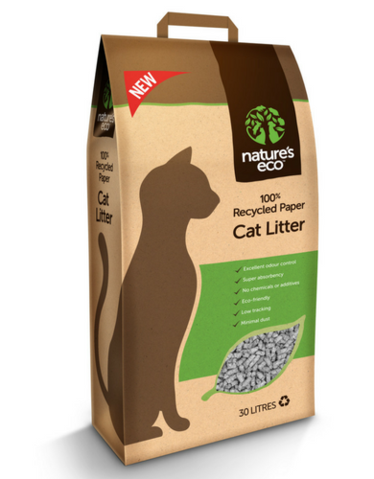
Made from 100% recycled paper, this litter is biodegradable and environmentally friendly. It is highly absorbent, non-toxic, and provides a dust-free experience for sensitive cats and owners.
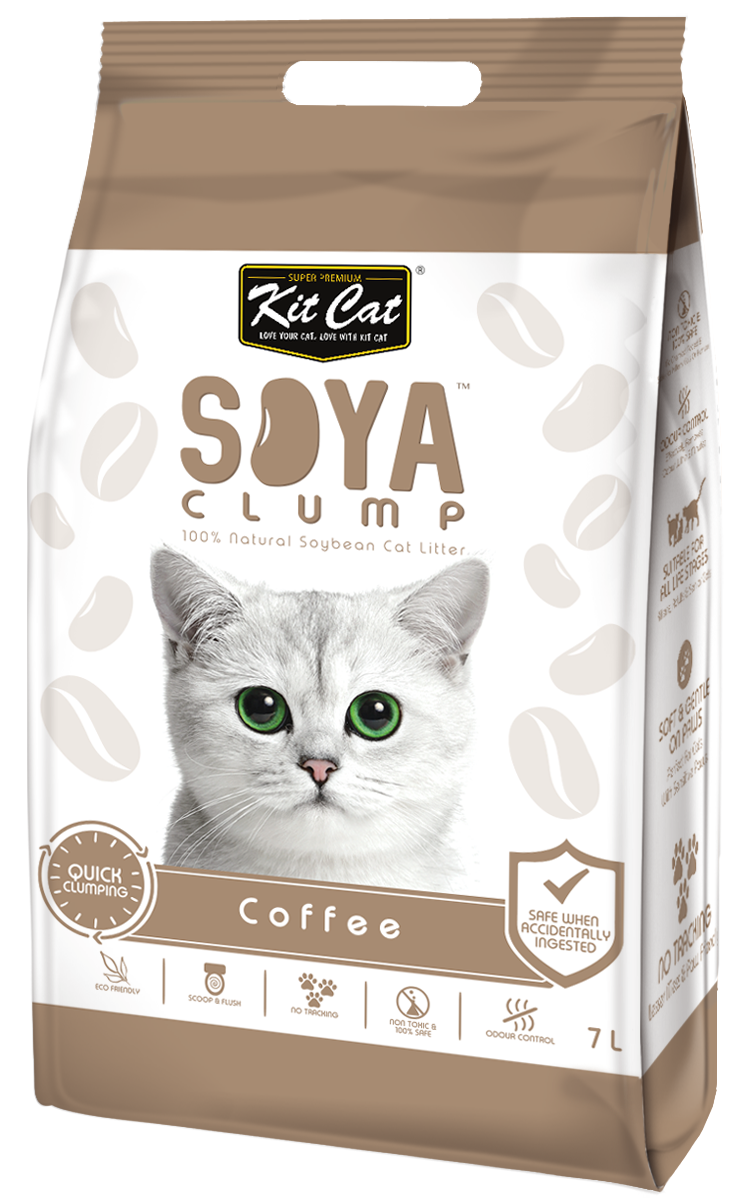
Made from natural soy materials, this litter is biodegradable, offers strong clumping, and provides excellent odor control. It’s a sustainable option for environmentally conscious cat owners.
Alternative:
Kit Cat Snow Peas Cat Litter Composed of snow pea fibers, this litter is biodegradable and provides good clumping and odor control. It’s a natural alternative that is safe for both cats and the environment.
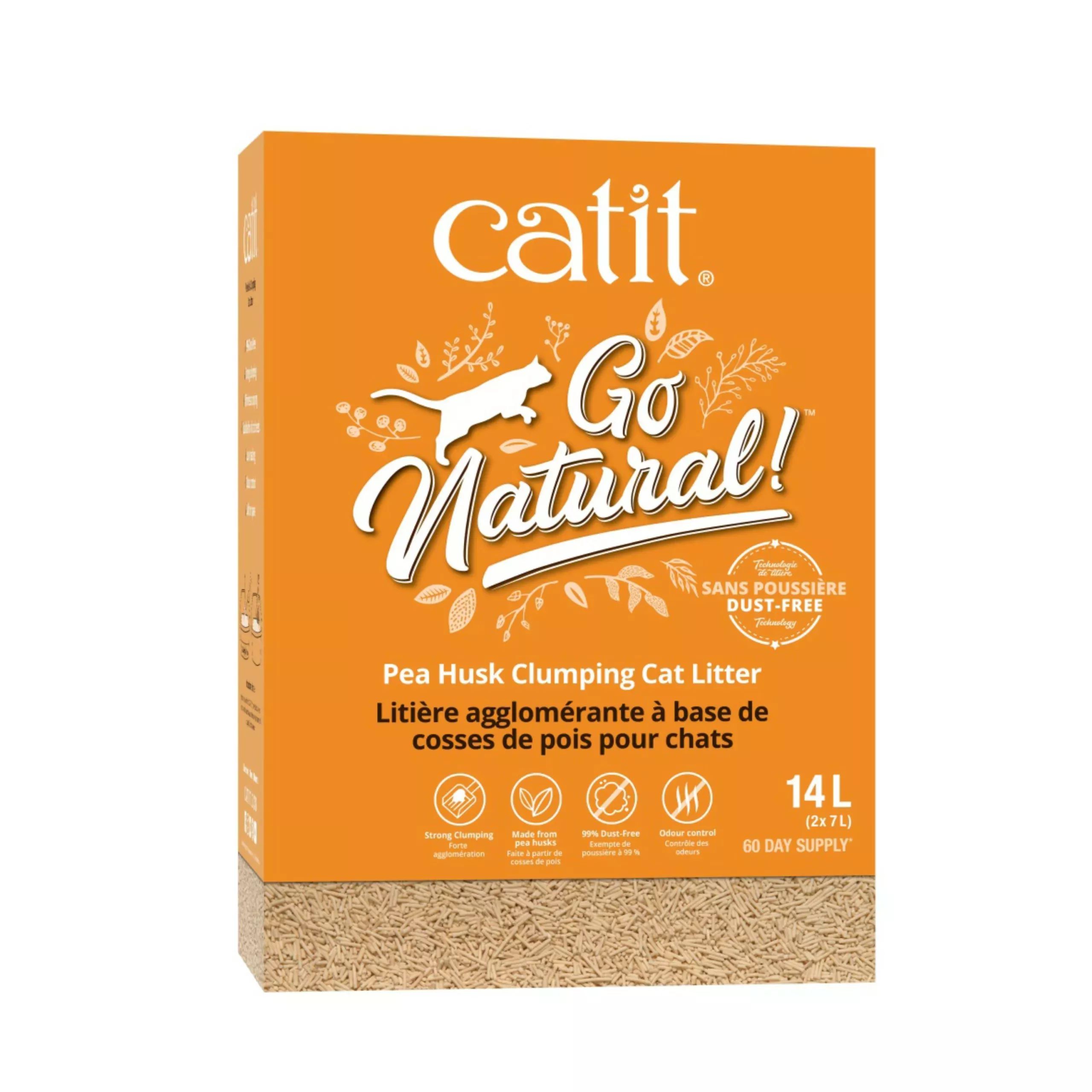
Made from pea husks, which are typically food byproducts, this litter is fully biodegradable and eco-conscious. It offers good clumping, excellent odor control, and makes use of plant-based materials that would otherwise go to waste.
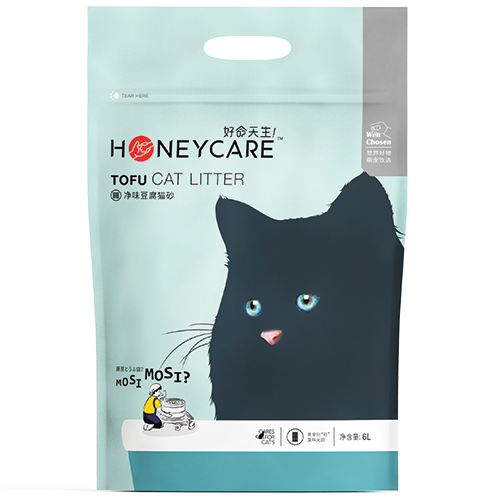
Tofu-based and biodegradable, this litter is made from food-grade ingredients, providing great clumping and natural odor control. It’s flushable and safe for both cats and the environment, as it degrades naturally.
Alternative:
Aatas Cat Krisp Klump Paper Cat Litter Made from recycled paper, this litter is biodegradable and provides a lightweight, dust-free experience. It offers excellent clumping and odor control, making it a safe choice for both cats and the environment. With its natural materials, it’s an eco-friendly alternative that reduces waste and promotes sustainability.
Crafted from renewable sugarcane fibers, this litter is biodegradable and natural. It clumps well, controls odors effectively, and contains no added chemicals, making it a great sustainable option for both cats and the environment.
Made from natural tofu byproducts, this biodegradable litter offers great clumping and low dust for a healthy environment. It’s flushable and eco-friendly, breaking down easily without harming ecosystems.
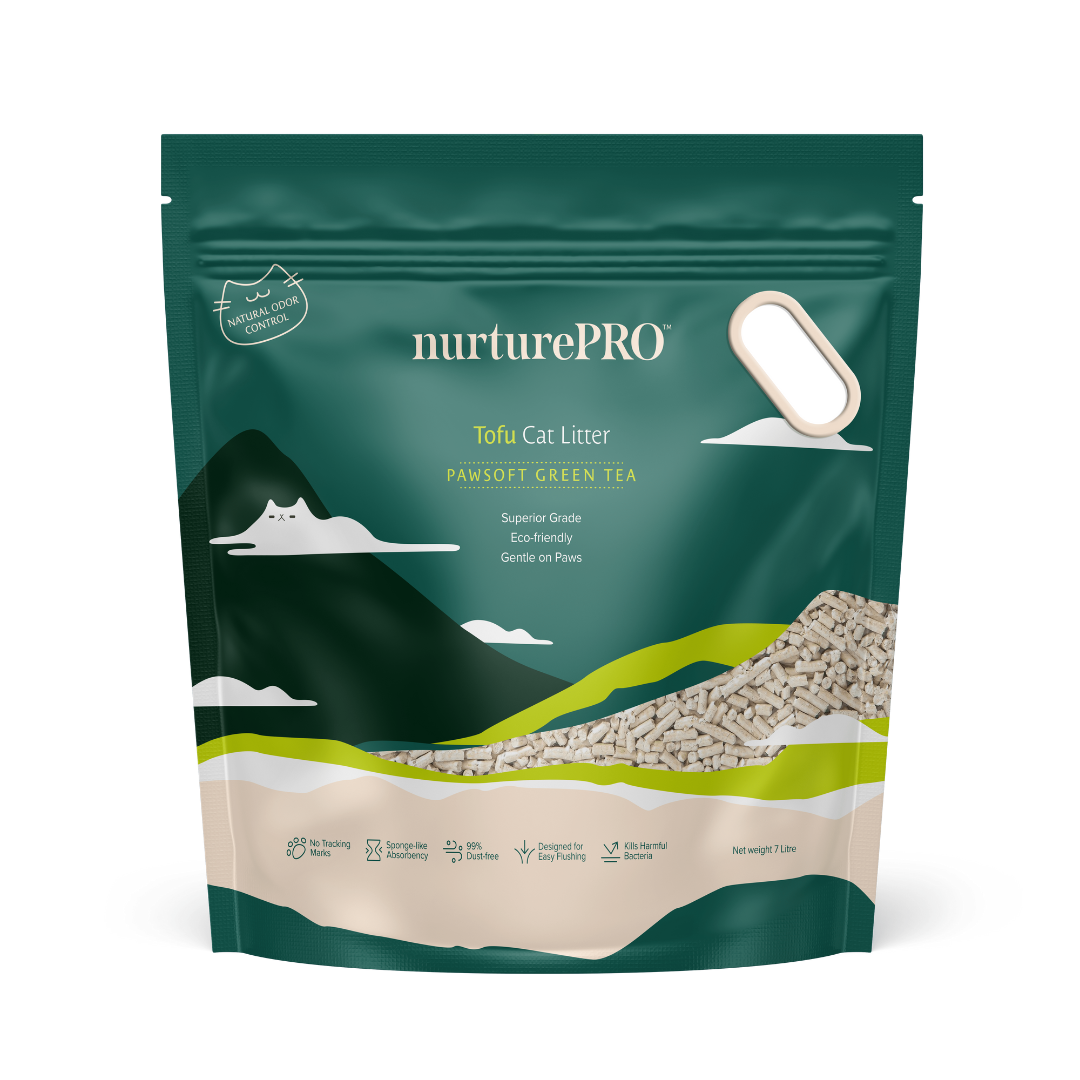
This litter is plant-based, using tofu for effective clumping and odor control. It is biodegradable, safe for cats, and flushable, offering a sustainable alternative to conventional litters.
Conclusion
Eco-friendly cat litter is a viable alternative that can significantly minimize your environmental impact while keeping your cat healthy and content. Whether you choose wood pellets, recycled paper, or plant-based options, the benefits are clear: reduced waste, fewer chemicals, and a healthier planet. By making the switch, you can play a part in creating a more sustainable future while ensuring your cat’s litter box remains safe and effective.
As more cat owners make the transition, the demand for sustainable, eco-friendly products continues to rise, fostering innovation and more environmentally responsible practices within the pet care industry.
Bringing a new puppy home is an exciting and rewarding experience, but it also comes with the crucial task of training. How to train your new puppy should be one of the first things you think about, as it’s essential not only for your puppy’s well-being but also for maintaining harmony in your home. Whether you’re a first-time dog owner in Singapore or have raised pets before, this guide will walk you through the important steps needed to ensure your puppy grows into a well-behaved and happy companion.
Why Early Puppy Training Matters
How to train your new puppy properly from a young age can prevent common behavioral problems such as excessive barking, chewing, or jumping on people. Early training is essential in Singapore’s urban environment, where space is often limited, and you’ll encounter various people and pets. Early puppy training ensures that your dog integrates well into their surroundings and avoids potential issues.
According to research published by The American Veterinary Society of Animal Behavior, early puppy training has been proven to reduce the risk of behavioral problems later in life. Puppies trained from a young age are also more likely to adjust well to new environments and social situations, making it easier for them to integrate into busy city life.
Before diving into more advanced training, it’s crucial to start with the basics. Simple commands such as “sit,” “stay,” “come,” and “down” are the foundation of any well-trained dog. These commands help in controlling your puppy in different situations, whether at home, on walks, or in public areas.
Sit: Teach your puppy to sit by holding a treat near their nose and slowly moving it upward. As their head follows the treat, their bottom will naturally lower to the ground. Once they sit, say “sit” and reward them with the treat.
Stay: After teaching your puppy to sit, command them to “stay” by holding your palm up in front of their face. Gradually increase the time you expect them to stay before rewarding them.
Come: Use a cheerful tone to encourage your puppy to come to you. Reward them when they respond, reinforcing the behavior. This is an especially important command in Singapore, where crowded areas and traffic pose potential hazards.
2. Potty Training Your Puppy
Potty training is one of the most important aspects of puppy training, especially for Singaporean dog owners who often live in apartments or HDB flats. The goal is to teach your puppy where they can relieve themselves, which helps maintain cleanliness in your home and avoids accidents.
Create a Schedule: Puppies have small bladders and need frequent potty breaks. Set a consistent schedule for taking your puppy outside or to a designated indoor potty area. Early morning, after meals, and before bedtime are common times when puppies need to go.
Designated Potty Area: Whether it’s a grass patch outside or a pee tray indoors, designate a specific spot where your puppy should relieve themselves. Consistency is key, as puppies learn through repetition.
Praise and Rewards: Always reward your puppy when they go potty in the correct place. Use positive reinforcement, such as treats or praise, to make the connection between relieving themselves in the right spot and receiving a reward.
3. Socialization: Expose Your Puppy to New Experiences
Singapore’s urban environment presents many new sights, sounds, and experiences for your puppy. Socialization is the process of exposing your puppy to different people, animals, environments, and noises. The goal is to help them become confident and comfortable in various situations, reducing anxiety and fear later in life.
Puppy Playdates: Arrange playdates with other vaccinated puppies to help your puppy learn how to interact with other dogs. This can help them develop social skills and learn appropriate play behavior.
Public Exposure: Gradually introduce your puppy to different environments. Start with quieter places and work up to more crowded areas like parks or dog-friendly cafes. Singapore offers a variety of dog-friendly parks, such as West Coast Park and Bishan-Ang Mo Kio Park, which are ideal for exposing your puppy to new sights and sounds.
Different People: Allow your puppy to interact with a variety of people, including children, adults, and elderly individuals. This helps prevent fear or aggression toward unfamiliar faces.
A study by the American Kennel Club found that well-socialized puppies are less likely to develop behavioral problems such as aggression or excessive fear. Socialization during the first few months of a puppy’s life is particularly important, as this is when they are most receptive to new experiences.
4. Use Positive Reinforcement
Positive reinforcement is one of the most effective training methods. It involves rewarding your puppy for good behavior, which increases the likelihood of them repeating that behavior. Avoid punishment-based methods, as these can lead to fear and anxiety in your puppy.
Rewards: Use treats, toys, or praise to reward your puppy when they follow a command or exhibit good behavior. The reward should be given immediately after the behavior to reinforce the connection.
Ignore Unwanted Behavior: Rather than punishing your puppy for bad behavior, simply ignore it. For example, if your puppy jumps up on you, turn your back and wait for them to calm down before giving them attention. This teaches them that calm behavior is more rewarding.
Consistency: Make sure all members of your household are consistent with commands and rewards. Mixed messages can confuse your puppy and slow down their learning process.
5. Crate Training: A Safe Space for Your Puppy
Crate training can be an effective way to help your puppy adjust to their new home. It provides a safe, secure space for your puppy to relax and helps with potty training, as dogs naturally avoid soiling their sleeping area.
Introduce the Crate Gradually: Make the crate a positive space by placing toys and treats inside. Encourage your puppy to explore the crate on their own. Never force them inside, as this can create negative associations.
Crate Time Limits: Puppies have small bladders and can’t hold it for long. Don’t leave your puppy in the crate for more than a few hours during the day. At night, the crate can help your puppy learn to sleep through the night without accidents.
Quiet Time: A crate can also be used to provide your puppy with a quiet, stress-free place to rest when the household is busy or when guests visit.
6. Address Common Behavioral Issues
Puppies are naturally curious and can develop some troublesome behaviors, such as chewing on furniture or barking excessively. Addressing these behaviors early on prevents them from becoming long-term problems.
Chewing: Puppies love to chew, especially when they are teething. Provide appropriate chew toys and redirect them when they start chewing on furniture or other inappropriate items.
Barking: Puppies bark to communicate, but excessive barking can be a problem. Teach your puppy the “quiet” command by rewarding them when they stop barking on command.
Jumping: While it may seem cute when your puppy jumps up on you, this behavior can become problematic as they grow. Teach your puppy to greet people calmly by rewarding them when all four paws are on the ground.
7. Training Classes: A Helpful Resource for Singapore Dog Owners
If you’re struggling with training or want professional guidance, consider enrolling your puppy in a training class. Many dog training schools in Singapore offer group classes that focus on basic obedience, socialization, and addressing behavioral issues. Some of the popular training centers include Pawsitive Sensations and Woofie Dog Training School.
Group training not only teaches your puppy important skills but also provides an opportunity for socialization with other dogs and people. Professional trainers can offer valuable insights and tips specific to Singapore’s urban environment.
Conclusion: Start Training Early for a Well-Behaved Companion
Training your puppy is a rewarding experience that sets the foundation for a happy and well-behaved dog. By focusing on basic commands, potty training, socialization, and positive reinforcement, you’ll ensure that your puppy grows into a confident and obedient companion. Remember, consistency and patience are key to successful training.
Leaving a cat alone, whether in an HDB (Housing and Development Board flat) or a bungalow, is a common concern for pet owners. Factors like upbringing, breed, and age play crucial roles in determining a cat’s ability to handle solitude. This article explores these aspects, reassures cat owners about the safety of leaving their feline friends alone, and provides practical tips to mitigate potential risks.
Understanding Cat Behavior and Needs
Cats are generally independent animals, known for their ability to entertain themselves. However, they still require adequate stimulation and care to thrive. Understanding your cat’s specific needs is crucial to ensure their well-being in your absence.
Upbringing and Socialization
Cats raised in environments with plenty of interaction and stimulation tend to be more adaptable when left alone. Kittens that experience varied environments and socialization are less likely to develop anxiety or destructive behaviors.
Breed-Specific Traits
Certain breeds are more independent than others. For instance:
Siamese and Oriental Shorthairs are known for their sociable nature and may require more attention and interaction.
Persians and British Shorthairs, on the other hand, are typically more laid-back and can handle solitude better.
Age and Health Considerations
Kittens and elderly cats need more attention. Kittens are curious and can get into trouble easily, while older cats might have health issues requiring regular monitoring. Healthy adult cats are usually more capable of handling periods of solitude.
Whether in an HDB or a bungalow, preparing your home is key to ensuring your cat’s safety and comfort.
Safe Spaces
Create designated safe spaces where your cat can retreat and feel secure. This could be a cozy corner with a bed or a dedicated room with their favorite items.
Environmental Enrichment
Ensure your home is enriched with activities to keep your cat engaged. Rotate toys regularly and introduce new ones to maintain interest.
Regular Feeding and Hydration
Automated feeders and water fountains can ensure your cat has access to food and water throughout the day. Fresh water is crucial, especially if you’re away for an extended period.
Practical Solutions for HDBs
Living in an HDB poses unique challenges, but with proper precautions, it can be a safe environment for your cat.
Window and Balcony Safety
As mentioned earlier, securing windows and balconies is essential. Consider:
Cat-proof screens.
Enclosed balconies with netting.
Restricting access to windows without proper safety measures.
Vertical Space Utilization
Cats love to climb and explore. HDBs can utilize vertical spaces effectively:
Install cat shelves and trees.
Use wall-mounted perches.
Provide access to window views safely.
Practical Solutions for Bungalows
Bungalows typically offer more space and access to outdoor areas, but they come with their own set of considerations.
Outdoor Access
If your cat has access to the outdoors, ensure the area is safe and secure. Use a cat flap with selective entry to prevent other animals from entering.
Multiple Rooms and Spaces
Bungalows often have multiple rooms, which can be used to create different activity zones:
A quiet room for resting.
Play areas with toys and climbing structures.
Dining areas with food and water stations.
Statistics on Cat Loneliness and Behavior
Understanding the impact of loneliness on cats can help in making informed decisions.
Loneliness and Mental Health
Studies indicate that cats left alone for extended periods can develop stress-related behaviors. According to a study published in the National Library of Medicine, the absence of the owner would result in some cats developing separation related behaviour, usually manifested as inappropriate urination and defecation, excessive vocalization, destructiveness and over-grooming.
Modern technology offers several tools to keep your cat safe and entertained while you’re away.
Pet Cameras
Pet cameras allow you to monitor your cat in real-time. Some models even have interactive features, enabling you to talk to your cat or dispense treats remotely.
Automated Toys
Interactive toys that move or make sounds can keep your cat entertained for hours. Automated laser pointers and robotic toys are popular options.
Smart Feeders
Smart feeders can dispense food at scheduled times, ensuring your cat stays fed even if you’re not home.
Leaving a cat alone in an HDB or bungalow is generally safe, provided you take necessary precautions. Understanding your cat’s specific needs based on their upbringing, breed, and age is crucial. By creating a safe and stimulating environment, utilizing technology, and ensuring regular check-ins, you can mitigate risks and ensure your cat remains happy and healthy in your absence.
Additional Resources
For more information on cat care and safety, check out the following resources:
Are you a dog owner looking for a fun and exciting way to bond with your furry friend? Look no further than the best dog walks in Singapore! From scenic parks to vibrant neighbourhoods, there are plenty of unique and enjoyable routes to explore with your four-legged companion. Not only will you get to enjoy some fresh air and exercise, but your pup will also have the opportunity to sniff out new sights and smells. Whether you’re looking for a leisurely stroll or a more challenging hike, Singapore’s diverse landscape has something for everyone. So why not unleash the fun and embark on an adventure with your furry best friend? Join us as we take a closer look at some of the best dog walks in Singapore and discover all the exciting opportunities that await you and your pup.
Benefits of Dog Walking
Dog walking is not only a great way to bond with your furry friend, but it also offers a host of physical and mental benefits for both you and your pup. For dogs, regular walks provide essential exercise and stimulation, helping to keep them healthy and happy. Walking can also help to reduce stress and anxiety, promote better sleep, and improve overall behaviour. Plus, it’s a great way for them to socialize with other dogs and humans, making for a more well-rounded and friendly canine companion.
For humans, walking is an excellent form of low-impact exercise that can improve cardiovascular health, reduce stress, and boost mood and energy levels. Walking with your dog also provides an opportunity to spend quality time together, strengthening the bond between you and your furry friend. Plus, it’s a great way to explore new areas of your city and meet other dog owners who share your love of pups.
So, whether you’re looking to improve your own health and wellbeing or give your furry friend the exercise and stimulation they need, dog walking is an excellent activity to incorporate into your routine.
Dog-Friendly Parks and Trails in Singapore
Singapore is home to a variety of parks and trails that are perfect for dog walking. Whether you’re looking for a scenic stroll or a challenging hike, there’s something for everyone. Here are some of the best dog-friendly parks and trails in Singapore:
East Coast Park
East Coast Park is one of Singapore’s most popular outdoor destinations, and it’s also a great place to take your furry friend for a walk. The park boasts a 15-kilometer stretch of coastline, making it the perfect spot for a leisurely stroll by the sea. There are also plenty of grassy areas where your pup can run and play, and several designated dog runs where they can socialize with other dogs.
Labrador Nature Reserve
Located in the southwestern part of Singapore, Labrador Nature Reserve is a hidden gem that’s perfect for a quiet and peaceful walk with your furry friend. The reserve features several scenic trails that wind through lush greenery and offer stunning views of the sea. Your pup will love exploring the sights and smells of the park, and there are plenty of benches and picnic areas where you can take a break and enjoy the scenery.
Bukit Timah Nature Reserve
For a more challenging hike, head to Bukit Timah Nature Reserve. Located in the central region of Singapore, this park features a variety of trails that range in difficulty from easy to advanced. There are plenty of opportunities to spot wildlife, including monkeys and birds, and the lush greenery provides a welcome escape from the hustle and bustle of the city.
Botanic Gardens
Singapore’s Botanic Gardens is a UNESCO World Heritage Site and a must-visit destination for nature lovers. The park features a variety of scenic trails that wind past waterfalls, lakes, and gardens. There are also several designated dog runs where your pup can play and socialize with other dogs.
Punggol Waterway Park
Located in the north-eastern part of Singapore, Punggol Waterway Park is a great place to take your pup for a walk by the water. The park features a scenic waterway, several playgrounds, and plenty of open space for your furry friend to run and play. There are also several designated dog runs where your pup can socialize with other dogs and burn off some energy.
Tips for a Successful Dog Walk
Before you hit the trails with your furry friend, there are a few things to keep in mind to ensure a successful and enjoyable walk:
Bring plenty of water for both you and your pup, especially if you’re walking in hot weather.
Bring waste bags and clean up after your dog.
Keep your dog on a leash, especially in areas with heavy foot traffic or wildlife.
Watch for signs of exhaustion or overheating in your furry friend, and take breaks as needed.
Be respectful of other park-goers and keep your dog under control at all times.
Dog Walking Services in Singapore
If you’re unable to walk your pup yourself, or you’re looking for a more structured and social experience for your furry friend, there are plenty of dog walking services available in Singapore. These services offer a variety of options, including group walks, private walks, and customized packages to fit your dog’s specific needs and preferences. Some popular dog walking services in Singapore include:
The Woof Agency
The Dog Walker
PetMate
K9 Kulture
By enlisting the help of a professional dog walker, you can ensure that your furry friend gets the exercise and stimulation they need, even when you’re unable to walk them yourself.
Conclusion
Dog walking is a great way to bond with your furry friend, improve your physical and mental health, and explore all that Singapore has to offer. With so many dog-friendly parks and trails to choose from, there’s no shortage of fun and exciting opportunities to unleash the fun with your pup. By following a few simple tips and enlisting the help of a professional dog walking service when needed, you can ensure that your furry friend gets the exercise and stimulation they need to live a happy and healthy life. So, what are you waiting for? Grab your leash and hit the trails with your furry best friend today!
Raw food diets for dogs are becoming increasingly popular. People who choose to feed a raw diet believe that it is more natural than most commercial canine diets. However, is a raw food diet actually good for your dog?
Racing hounds and sled dogs have been feeding on raw diets since decades ago. The concept of Bones and Raw food, or Biologically Appropriate Raw Food (BARF diet) for companion pets has been introduced and popularised by Australian veterinarian Ian BIllinghurst in the 1990s.
To start off, dogs are omnivores who need to consume a balanced diet of plants and meat to stay healthy. Thus, a raw dog food diet should consist of a combination of raw meat, bones, raw eggs, dairy products, fruits and vegetables.
What are The Benefits Of A Raw Dog Food Diet?
Strengthened Immune System
BARF diet largely mimics what canine ancestors would feed on in the wild environment. A complete and balanced diet is important to help your dog’s immune system to thrive. A raw dog food diet can often fulfil this if prepared and fed properly.
Improved Skin and Shiner Coat
Raw diets usually contain many ingredients that support skin and coat health. One of the most significant ingredients is omega-3 fatty acids. Healthy omega-3 fatty acids play a huge role in supporting healthy skin. Additionally, it provides anti-inflammatory benefits. Perfect for dogs with inflammatory skin diseases or allergies.
Predominant Bone and Joint Health
Real bone is a natural source of calcium which is good for maintaining great joint and bone health for your dogs. On top of that, it can promote health growth in puppies.
Improve Dental Health
Poor dental hygiene can be caused by a poor diet, especially one with high carbohydrates or is heavily processed. Raw, meaty bones are nature’s toothbrush for your canine. It can help get into tricky areas between their teeth and assist with the removal of plaque.
Reduced Stool Volume and Odour
Raw food diet is highly digestible as it does not contain ingredients that are difficult for dogs to digest. Hence, more is absorbed and less comes out of the other end. Without carbohydrates such as soy and potato, stool produced by your canine will be a smaller amount with lighter odour.
When is A Raw Diet Not Suitable?
#1 If your dog has kidney or liver failure. As raw diets are usually higher in protein, it is not advisable for pups with kidney or liver failure.
#2 If your dog has pancreatitis or other digestive issues. You can start them with a cooked and homemade diet to clear those problems before switching to raw.
#3 Dogs with cancer or immunosuppressive diseases. Dogs with cancer are at higher risk for food-borne illnesses, and may not digest raw vegetables.
#4 When you are unable to prepare complete, balanced and safe meals for your dog, a homemade raw diet is not for your dog. A raw food diet is not just feeding canines with a wide variety of raw meats. You have to take calorie, fat, protein and nutrition content into consideration. An incomplete diet can lead to serious health problems for a pup.
What are The Potential Risks of A Raw Dog Food Diet?
#1 If a pup is not fed properly, they can be in danger of an unbalanced diet. An unbalanced diet may damage the health of dogs if given for an extended period.
#2 Receiving too much Vitamin A by eating too much liver which can lead to Vitamin A toxicity.
#3 Chance for whole bones to choke the dog, break teeth, or cause an internal puncture.
#4 The biggest risk of a raw food diet for cats is bacteria. However, you can limit this risk by following safe meat handling procedures. Learn proper meat handling procedures here! Purchase raw meat only from reputable sources like the supermarket. If you are not using the raw meat immediately, freeze it in meal-sized portions.
No time to prepare, but still wanna try a raw diet for your dog?
If you have no time to prepare a complete & balanced raw diet at home for your dog, but still want to provide your dogs with the benefits from raw food, consider the freeze-dried raw dog food from aPetMart. Raw food at your fingertips by just adding water or broth. In addition, freeze dried or air dried raw treats are great snacks to introduce raw food to your dog.
In recent years, there has been a rise in raw food diets for cats and dogs. Some cat parents choose to prepare raw food for cats at home so that they don’t have to worry about undesirable ingredients found in commercial products, while others opt for off-the-shelf raw food for the convenience. However, is raw food good for cats?
What is a Raw Diet for Cats?
A raw diet includes feeding your cat uncooked animal products such as muscle meat and organ meat. Raw food diets are also known as the “BARF” diet, which stands for “bones and raw food” or “biologically-appropriate raw food”.
Felines that consume an imbalanced diet are at risk of a variety of health issues. If you choose to prepare your cat a raw diet at home, it is recommended to consult a veterinary nutritionist for a complete and balanced menu for your cat.
What are the Benefits of Raw Food Diets?
iPetCompanion
To start off, cats are obligate carnivores. Felines solely rely on nutrients found in animal meats to survive. In fact, they can only tolerate a small amount of plant matter in their diet. A high-protein & moistrous diet that mimics that is found in small prey in the wild is beneficial to cats.
Biologically-appropriate Diet
Advocates of raw diets believe that the cooking process denatures most of the crucial proteins in the food. Hence, cooked food including kibbles and canned food, deviates from what cats are feeding in the wild. On the contrary, raw food is favoured by supporters for a biologically-appropriate diet as it more closely mimics what a cat would find in nature.
Raw Food Diets Makes Cats Less Hungry
The protein in raw meat can be very filling for your cat. Thus, making your felines more satisfied with their meals. This is great as it can prevent obesity in your cat.
Improved Digestion
Cat’s digestive system does not have the enzyme to digest carbohydrates. Therefore, it is harder for cats to digest plant-based diets. A raw food diet only contains meat which means it would be easier for them to break down the food.
Increases Energy
Many people who switched to raw cat food have noticed a higher level of energy in their cats. Felines utilise protein for their energy requirements. Through a well-balanced and appropriate raw food diet, they are getting more energy from their food.
Better Dental Health
When your cat chews on raw foods, it helps keep their teeth clean. Additionally, carbohydrates create a starchy film which can cause plaque buildup. Hence, eliminating it can prevent your cat from having gum diseases.
Better Urinary Health
Carbohydrate laden foods can cause alkaline urine and chronic dehydration in cats. This can cause urinary tract inflammation. A raw cat food diet contains more moisture which can prevent urinary tract problems.
When is A Raw Diet Not Suitable?
#1 When you are unable to prepare complete, balanced and safe meals for your cat, a homemade raw diet is not for your cat. A raw food diet is not just feeding cats with a wide variety of raw meats. You have to take calorie, fat, protein and nutrition content into consideration. An incomplete diet can lead to serious health problems for a feline.
#2 If your cat is a picky eater, it may be difficult to introduce raw foods to them. Some felines have strict preferences for certain food textures and smells. For these cats, transitioning to a raw food diet can take a lot of effort.
What are the Risks of Raw Food Diets?
The biggest risk of a raw food diet for cats is bacteria. However, you can limit this risk by following safe meat handling procedures. Learn proper meat handling procedures here! Purchase raw meat only from reputable sources like the supermarket. If you are not using the raw meat immediately, freeze it in meal-sized portions.
No time to prepare, but still wanna try a raw diet for your cat?
If you have no time to prepare a complete & balanced raw diet at home for your cat, but still want to provide your cats with the benefits from raw food, consider the freeze-dried raw cat food from aPetMart. Raw food at your fingertips by just adding water or broth. In addition, freeze dried or air dried raw treats are great snacks to introduce raw food to your cat.